
News Summary:
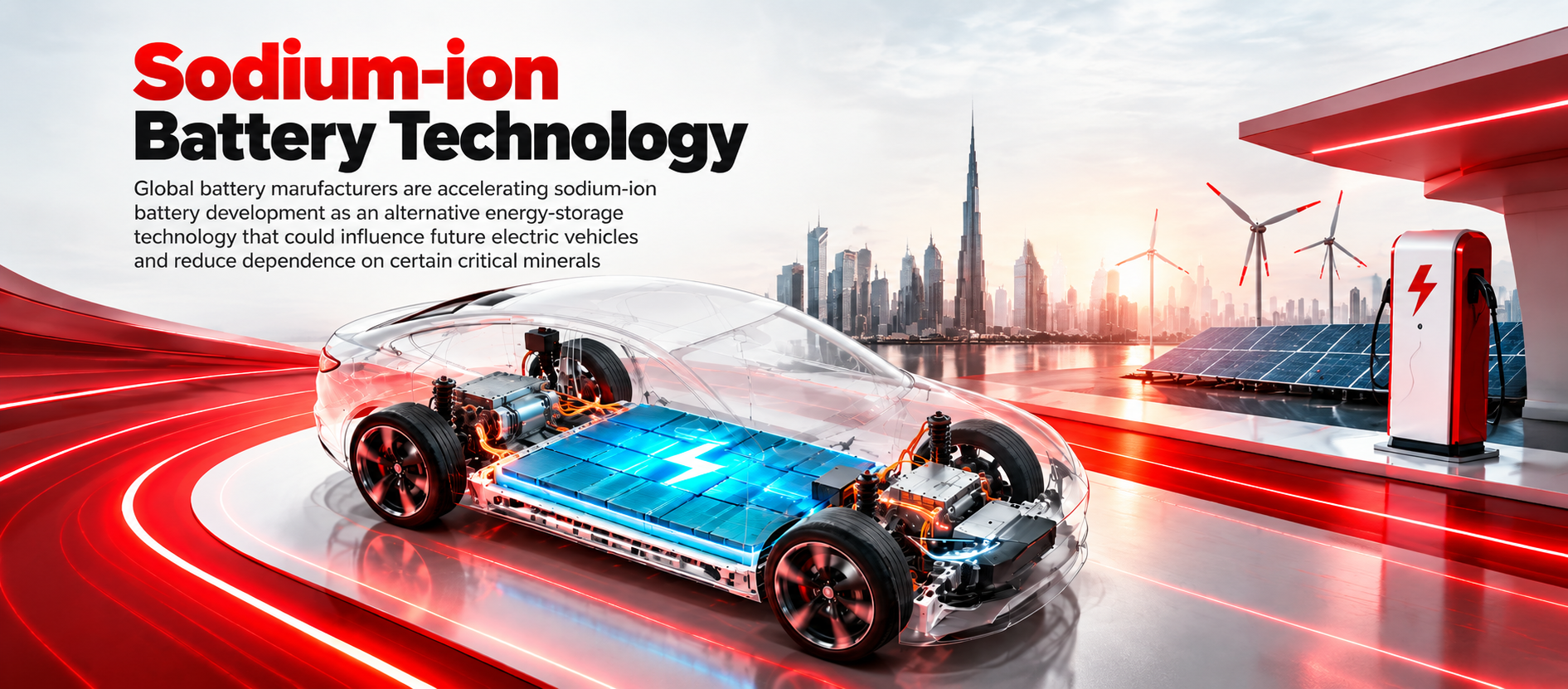
Carmakers seeking alternatives to power electric mobility are seeing battery makers invest more in sodium-ion battery technology. Such a technique could be an alternative to the traditional li-ion batteries using more available raw materials.
Interest in the research is growing in the automotive industry, with the adoption of electric vehicles continuing to accelerate and manufacturers seeking battery solutions that can address cost, performance, supply-chain stability and sustainability issues.
The Battery Technology Landscape Is Starting to Open Up
Right now the leading technology for electric cars is lithium ion batteries. They have the highest energy density, a whole industry behind them, and proven performance.
Manufacturers and researchers are looking at other battery chemistries that could solve problems to do with availability of materials, cost of production and the surge in worldwide demand.
Sodium-ion batteries replace lithium with sodium as the main charge-carrying ingredient. Battery firms are looking into the possibilities of sodium for future applications due to its abundance and accessibility.
A number of manufacturers have launched sodium-ion battery development programs, spanning in application from energy storage systems to chosen electric vehicles.
How Sodium-Ion Batteries Versus Lithium-Ion Technology
The primary difference between the two systems is the substance utilized to store and release energy.
In lithium-ion batteries, lithium compounds are used in the cells, while sodium-ion batteries use sodium-based materials.
- Potential benefits of sodium-ion technology are:
- More sodium resources are available
- Lower reliance on certain essential battery materials
- Manufacturing costs that can be lowered more flexible supply chains
But the technology has problems now.
Sodium-ion batteries generally have poorer energy density than contemporary lithium-ion batteries, meaning that larger battery packs may be required to achieve equivalent driving ranges. For vehicle makers, battery size and weight, and charging speed and performance are still key considerations when picking a technology.
Why This Matters for Electric Vehicles?
Electric car progress depends directly on battery technology. Manufacturers need to consider:
- Range of driving
- Charge time
- Battery Life
- Vehicle mass
- Cost of manufacture
- Materials Availability
More types of batteries allow automakers to select alternative solutions based on the type of car.
For example, high-performance vehicles might still use advanced lithium-based batteries, while other chemistries could be suitable for smaller urban vehicles or commercial uses.
Relevance of UAE with EV adoption
The UAE has been investing in charging networks, government initiatives and the availability of EVs to improve the infrastructure for electric mobility.
Future advances in batteries may affect UAE drivers in the following ways:
- Electric vehicle purchasing prices
- Battery Replacement Cost
- Extended vehicle range
- Requirements for charging
- Long-term ownership costs
However, sodium-ion batteries are still an emerging technology and their acceptance in passenger vehicles across the UAE will depend on the decisions of manufacturers, the size of manufacturing and the validation of performance.
Battery Sustainability Gains Momentum as Industry Focus
Apart from the operation of vehicles, the durability of batteries has turned into a serious concern for the automotive industry.
Manufacturers are paying more and more attention to:
- Recycling batteries
- Responsible sourcing of materials
- Better manufacturing efficiency
- Lower environmental impact
Other battery technologies could form part of a broader plan to build more durable energy storage supply chains.
What Happens Next?
The next steps for sodium-ion technology will be to commercialize it, ramp up production and test it in the real world.
The lithium-ion battery is still the technology of choice for electric vehicles today, but ongoing investment in alternatives suggests that the battery market of the future may not be defined by one primary chemistry.
For UAE drivers, the impact will become more evident as car makers reveal future models and battery strategy for regional markets.
SOURCES
- International Energy Agency (IEA) — Global EV and battery technology reports
- International Council on Clean Transportation (ICCT) — Electric vehicle technology research
- CATL — Official battery technology announcements
- Battery industry research publications covering sodium-ion development