
BLOG
Auto Battery Jump Starter: Benefits, Uses & Safety Tips
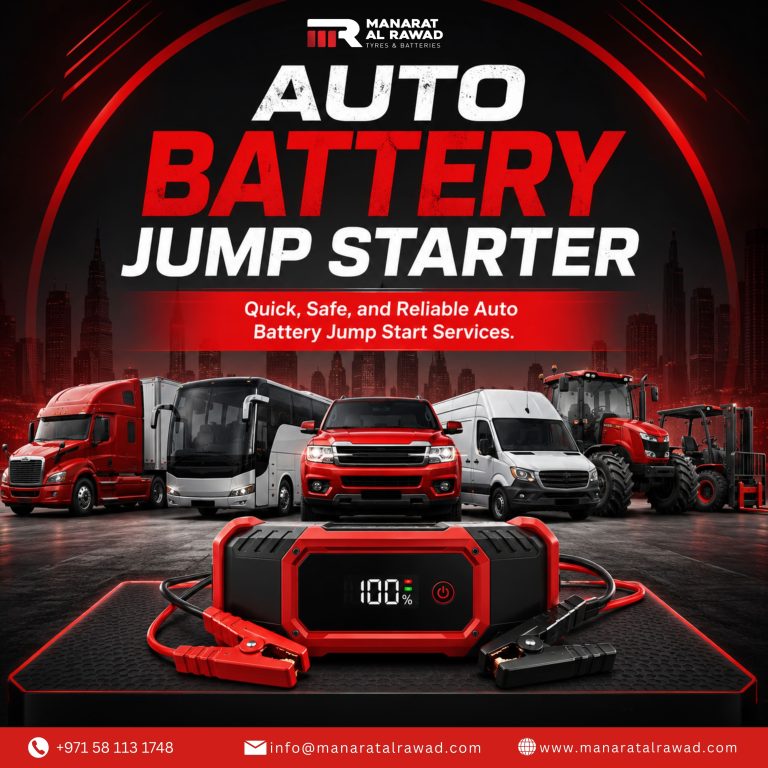
An auto battery jump starter is one of the most useful emergency tools a driver can keep in their vehicle. Unlike classic jumper cables, a portable jump starter allows you to restart a car with a dead battery without needing another vehicle. Compact, lightweight, and easy to use, these devices have become increasingly popular among motorists who want to be prepared for unforeseen breakdowns.
Modern jump starters come with improved safety features such as reverse polarity protection, spark-proof clamps, short-circuit protection, and built-in LED flashlights. Many models also include USB charging ports, making them useful for powering mobile devices during emergencies. It’s important to remember that a jump starter delivers a temporary solution. If your battery frequently loses charge, it may indicate a failing battery or a charging system issue. In such cases, professional battery testing or a car battery replacement is the best long-term solution.
Regular vehicle maintenance can help prevent battery-related problems, but unexpected failures can still occur. Keeping an auto battery jump starter in your car, along with access to reliable roadside assistance, ensures you’re better prepared for emergencies. Whether you’re commuting daily or planning a long road trip, carrying a quality jump starter offers added confidence and helps you get back on the road quickly and safely when a dead battery strikes.
For years, a dead car battery meant one thing—you had to rely on another driver with jumper cables or wait for roadside assistance. Today, that is changing. Portable auto battery jump starter are becoming one of the fastest-growing emergency tools for motorists worldwide, giving drivers the ability to restart their vehicles without needing another car.
Recent sector reports show that demand for portable jump starters continues to grow as drivers seek compact, safer, and more reliable roadside solutions. Lithium-powered jump starters now dominate the market because they are lighter, recharge faster, and include advanced electronic safety features.
The growing popularity of these devices shows a broader change in how motorists prepare for emergencies. Rather than reacting to a breakdown after it happens, many drivers are investing in portable equipment that allows them to respond immediately.
A New Era of Roadside Preparedness
Vehicle batteries remain one of the leading causes of roadside breakdowns. A battery can fail unexpectedly because of age, extreme temperatures, leaving lights on, or an electrical fault.
Until recently, most drivers had only two choices:
- Wait for another motorist.
- Call a roadside assistance provider.
Portable jump starters have introduced a third option—self-recovery.
Modern units fit inside a glove box or small storage compartment while delivering enough power to start most petrol and many diesel vehicles.
Technology Has Improved Dramatically
Early jump starters were large, heavy lead-acid units that were difficult to transport and required regular maintenance.
Today’s auto battery jump starter devices are very different.
Most premium models now include:
- Lithium-ion battery technology
- Reverse polarity protection
- Spark-proof clamps
- Short-circuit protection
- USB charging ports
- LED emergency flashlights
- Digital battery indicators
These intelligent safety systems make portable jump starters easier and safer to operate than older equipment.
Why Auto Battery Jump Starters Are Making Headlines
Battery-powered emergency devices have attracted increased attention in recent years—not only because they are more capable, but also because safety standards have become more important.
Recent aviation safety reports have pointed out the growing number of overheating incidents involving damaged or improperly handled lithium-ion batteries, prompting airlines and regulators to introduce stricter rules for carrying power banks and similar battery-powered devices. The message for consumers is clear: purchase quality products, follow the manufacturer’s charging instructions, and replace damaged units immediately. For automotive jump starters, this entails selecting products with certified protection systems and avoiding counterfeit or low-quality alternatives.
How an Auto Battery Jump Starter Works
An auto battery jump starter stores electrical energy inside an internal rechargeable battery. When connected correctly to a discharged vehicle battery, it delivers a short burst of high current to the starter motor, allowing the engine to crank. Once the engine starts, the vehicle’s alternator takes over and begins charging the battery.
It is important to remember that a jump starter starts the vehicle—it does not repair a damaged battery. If your battery repeatedly loses charge, professional testing may reveal that a car battery replacement is the more appropriate long-term solution.
Benefits Every Driver Should Know
Portable jump starters offer multiple practical advantages.
Independence – Drivers no longer need another vehicle to perform a jump start.
Faster Recovery – Instead of waiting for help, many battery problems can be resolved within minutes.
Compact Design – Modern jump starters are lightweight and easy to store inside the vehicle.
Multi-Purpose Functionality
Many units also work as:
- Phone chargers
- Emergency flashlights
- USB power banks
- Portable power supplies for small electronics
These additional features increase their usefulness during travel and roadside emergencies.
Common Reasons Batteries Fail
Understanding why batteries fail helps drivers reduce the likelihood of becoming stranded.
The most common causes include:
- Battery age
- High temperatures
- Corroded terminals
- Leaving lights on
- Faulty alternator
- Loose electrical connections
- Long periods without driving
In zones with extremely hot climates, battery life is often significantly shorter than the manufacturer’s estimated lifespan.
Should Every Driver Own One?
For motorists who regularly commute, travel long distances, or drive at night, carrying an auto battery jump starter has become a sensible precaution.
However, drivers should remember that even the best jump starter cannot solve every battery problem.
If a battery repeatedly requires jump-starting, professional diagnosis is recommended. In many cases, replacing the battery is safer and more cost-effective than continuing to rely on temporary solutions.
Best Practices for Safe Use
To maximize both safety measures and performance:
- Recharge the jump starter regularly.
- Inspect cables before use.
- Store it according to the manufacturer’s recommendations.
- Never use a damaged or swollen unit.
- Read the operating instructions before an emergency occurs.
Experts also recommend keeping the unit sufficiently charged, as jump starters perform best when their internal battery is well above minimum charge amounts.
The Future of Emergency Vehicle Equipment
The automotive sector is increasingly focusing on smarter emergency equipment.
Manufacturers are introducing jump starters with Bluetooth connectivity, intelligent battery monitoring, USB-C fast charging, digital displays, and upgraded safety electronics. Market researchers expect portable lithium-powered jump starters to remain the fastest-growing segment of the vehicle emergency equipment market over the coming years.
As vehicles grow more technologically advanced, emergency tools are advancing alongside them, granting drivers greater convenience and confidence than ever before.
An auto battery jump starter is no longer solely a gadget for vehicle enthusiasts—it has become an essential emergency tool for everyday drivers. Advances in lithium battery technology, built-in safety protections, and compact designs have made these devices more practical and easier to access than ever.
While owning a jump starter can help you recover quickly from an unexpected dead battery, it should also be part of a wider vehicle maintenance strategy. Regular battery inspections, timely car battery replacement, and access to reliable roadside assistance remain necessary for preventing unforeseen breakdowns.
By combining preventive maintenance with modern emergency equipment, drivers can stay better prepared, reduce roadside risks, and travel with greater peace of mind.