
BLOG
Jump Starts: Safe Steps to Start Your Car Again
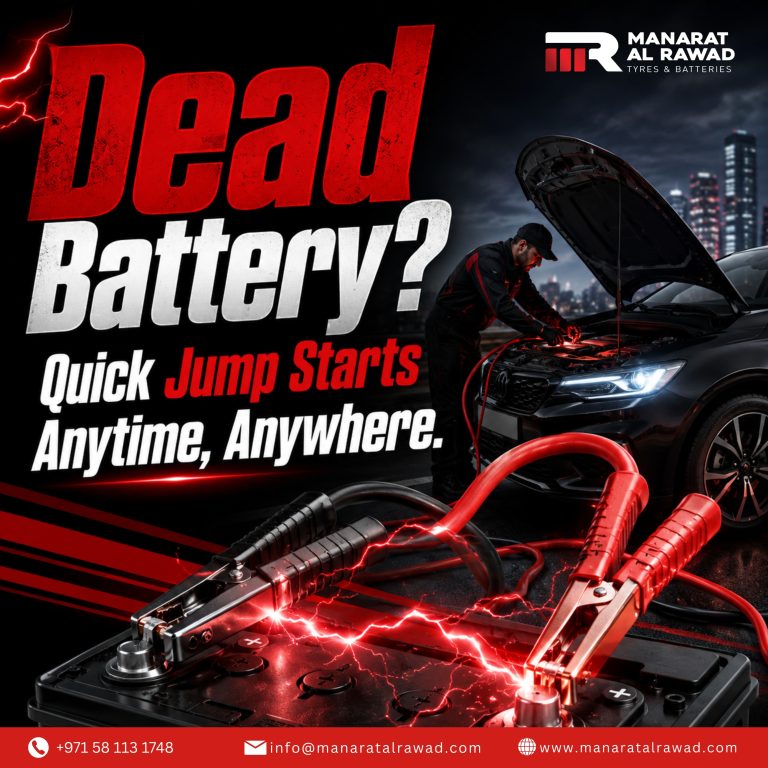
A dead car battery can happen without warning, leaving you stranded at home, in a parking lot, at work, or even on the roadside. Whether your battery has reached the end of its lifespan, your headlights were accidentally left on, or extreme weather has affected its performance, knowing how jump starts work can help you get back on the road safely.
A jump start is one of the quickest ways to temporarily restore power to a vehicle with a discharged battery. However, it must be performed correctly. Incorrect cable connections or improper procedures can damage your vehicle’s electrical system, battery, alternator, or onboard electronics.
In this guide, you’ll learn how to jump start a car, when it’s safe to do so, the most common causes of battery failure, and when it’s better to call a professional roadside assistance service
What Are Jump Starts?
A jump start is the process of using an external power source to provide enough electrical energy to start a vehicle with a discharged battery.
The external power source may be:
- Another vehicle
- A portable jump starter
- A professional roadside jump-start unit
Once the engine starts, the alternator begins charging the battery. However, if the battery is old or internally damaged, it may need to be replaced rather than another jump-start.
Common Reasons Why a Car Needs a Jump Start
Several situations can leave your battery unable to start the engine.
The most common causes include:
- Leaving headlights on overnight
- Interior lights remaining on
- Old or worn-out battery
- Extreme heat
- Faulty alternator
- Loose battery terminals
- Corroded battery connections
- Long periods without driving
- Electrical accessories draining the battery
- Charging system problems
Understanding the cause helps determine whether a jump start is a temporary solution or whether the battery requires replacement.
People Also Ask: How Do You Jump Start a Car?
If performed correctly, starting a car is a safe and effective way to start a vehicle with a discharged battery.
Adhere to these steps carefully:
Step 1: Position the Vehicles
Park the assisting vehicle close enough for the jumper cables to reach, making sure the vehicles do not touch.
Turn off both engines and engage the parking brakes.
Step 2: Locate the Battery Terminals
Identify:
- Positive terminal (+) – usually marked with a red cover
- Negative terminal (−) – usually marked with a black cover
Always check the “+” and “−” markings before connecting cables.
Step 3: Connect the Jumper Cables
Connect in this order:
- Red cable to the positive terminal of the dead battery.
- Other red cable to the positive terminal of the assisting battery.
- Black cable to the negative terminal of the assisting battery.
- Remaining black cable to an unpainted metal surface on the disabled vehicle (not directly on the negative terminal if the manufacturer advises using a grounding point).
Correct cable placement reduces the risk of sparks and electrical damage.
Step 4: Start the Vehicles
Start the assisting vehicle first.
Allow it to run for a few minutes before attempting to start the vehicle with the discharged battery.
If the engine starts successfully, leave it running to allow the alternator to recharge the battery.
Step 5: Remove the Cables
Disconnect the cables in the reverse order:
- Ground connection
- Negative cable
- Positive cable
Take care not to let the cable clamps touch each other during removal.
Jump Start Cable Connection Order
| Step | Connection |
| 1 | Red cable → Dead battery (+) |
| 2 | Red cable → Good battery (+) |
| 3 | Black cable → Good battery (−) |
| 4 | Black cable → Vehicle ground |
| 5 | Start assisting vehicle |
| 6 | Start disabled vehicle |
| 7 | Remove cables in reverse order |
Following the correct sequence lowers the risk of short circuits.
People Also Ask: Is It Safe to Jump Start a Car?
Yes, provided the procedure is performed correctly.
Before attempting a car battery jump start, inspect the battery.
Do not jump-start a battery if it has:
- A cracked case
- Acid leaks
- Severe swelling
- Heavy corrosion around both terminals
- Signs of overheating
These conditions may indicate internal battery failure and should be assessed by a qualified technician.
Portable Jump Starter vs Jumper Cables
Drivers today can choose between traditional jumper cables and portable jump starters.
| Feature | Portable Jump Starter | Jumper Cables |
| Requires another vehicle | No | Yes |
| Easy to carry | Yes | Yes |
| Beginner-friendly | Yes | Moderate |
| Emergency use | Excellent | Good |
| Cost | Higher | Lower |
Portable jump starters are especially useful for drivers who frequently travel alone or in remote areas.
People Also Ask: Why Does My Car Need Frequent Jump Starts?
If your vehicle repeatedly requires jump starts, there is likely an underlying problem.
Common causes include:
Old Battery
Most batteries in the UAE last approximately 2–3 years due to extreme heat.
Faulty Alternator
The alternator charges the battery while the engine runs. If it fails, the battery gradually loses power.
Parasitic Battery Drain
Some electrical components continue drawing power even after the engine is switched off.
Examples include:
- Dash cameras
- Alarm systems
- Interior lighting
- Faulty relays
- Infotainment systems
Professional diagnostics can identify these hidden electrical drains.
Signs Your Battery Might Require Replacement Instead of a Jump Start
A jump start is only a temporary solution if the battery has reached the end of its lifespan.
Watch for these warning signs:
- Slow engine cranking
- Dashboard battery warning light
- Dim headlights
- Swollen battery case
- Frequent jump starts
- Corroded battery terminals
- Battery older than three years
If these symptoms persist, replacing the battery is usually the safest and most reliable solution.
Common Jump-Start Mistakes to Avoid
Although boosting a vehicle is a relatively simple procedure, mistakes can cause significant damage to your battery, alternator, or vehicle electronics. Taking a few extra moments to follow the correct process can prevent expensive repairs.
Connecting the Cables Incorrectly
The most common mistake is reversing the battery terminals.
Always remember:
- Red cable = Positive (+)
- Black cable = Negative (−)
Connecting the cables incorrectly can harm electronic control units (ECUs), blow fuses, and even ruin the battery.
Using Damaged Jumper Cables
Old or damaged jumper cables may have worn insulation, loose clamps, or broken wires, making them unsafe and less effective. Always inspect your cables before use.
Trying to Jump-Start a Damaged Battery
Never attempt to jump-start a battery that is:
- Cracked
- Leaking acid
- Swollen
- Smoking
- Giving off a strong sulfur odor
A damaged battery should be replaced immediately by a qualified technician.
Disconnecting the Cables Too Quickly
Once your vehicle starts, allow it to run for at least 15–20 minutes or drive it for a reasonable distance. This gives the alternator time to recharge the battery.
People Also Ask: How Long Should You Leave a Car Running After a Jump Start?
After a successful jump-start, let the engine idle or drive the vehicle for 20–30 minutes.
This helps restore some of the battery’s charge.
However, if the battery repeatedly goes flat after being recharged, it may indicate:
- An aging battery
- A faulty alternator
- A charging system problem
- An electrical drain
Professional testing is the best way to determine the exact cause.
When Should You Avoid Jump Starts?
There are situations where attempting a jump start is not recommended.
Avoid jump-starting if:
- The battery case is cracked.
- The battery is leaking.
- There is heavy corrosion covering both terminals.
- The battery has frozen (in colder climates).
- You notice sparks or smoke.
- You are unsure about the correct procedure.
In these situations, professional roadside assistance is the safest option.
How UAE Weather Affects Battery Performance
The UAE’s extreme temperatures place considerable stress on automotive batteries.
High heat accelerates:
- Electrolyte evaporation
- Internal corrosion
- Plate deterioration
- Reduced battery capacity
Drivers in Dubai, Abu Dhabi, Sharjah, Ajman, and across the UAE often experience battery failure sooner than drivers in cooler climates.
Routine battery inspections before summer can help identify weak batteries before they leave you stranded.
How to Reduce the Need for Jump Starts
Preventive maintenance is the best way to avert unexpected battery failures.
Here are a number of practical tips:
- Test Your Battery Regularly – Have the battery tested every six months, especially if it is more than two years old.
- Turn Off Electrical Accessories – Before leaving your vehicle, make sure headlights, interior lights, chargers, and infotainment systems are switched off.
- Keep the Battery Clean – Clean battery terminals improve electrical conductivity and reduce the risk of poor connections.
- Drive Your Vehicle Regularly – Vehicles left parked for extended periods may experience battery discharge. Regular driving allows the alternator to recharge the battery.
- Replace an Aging Battery – In the UAE, replacing a battery before it fails completely is frequently more economical than dealing with an unexpected roadside breakdown.
People Also Ask: Can a Jump Start Damage My Car?
When performed correctly, a jump start is generally safe.
However, incorrect procedures may result in:
- Blown fuses
- Damaged alternator
- ECU damage
- Burnt wiring
- Battery damage
- Electrical system faults
If you are uncertain about the process, it’s safer to contact a professional roadside assistance provider.
When to Call a Professional
While many drivers successfully jump-start their vehicles, professional assistance is recommended if:
- The battery repeatedly goes flat.
- The engine still won’t start after a jump start.
- The battery is visibly damaged.
- The battery warning light remains illuminated.
- You suspect alternator or charging system problems.
- You do not have the correct equipment.
A professional technician can test the battery, inspect the charging system, and recommend the most appropriate solution.
Why Choose Manarat Al Rawad?
At Manarat Al Rawad, we understand that a dead battery can disrupt your entire day. Our experienced technicians provide fast, reliable, and professional battery support across Dubai and the UAE.
Services include:
- 24/7 emergency jump-start assistance
- Mobile car battery replacement
- Battery condition diagnostics
- Alternator and charging system inspection
- Genuine replacement batteries
- Battery installation at your location
- Roadside assistance for all vehicle makes and models.
Our goal is not only to get your vehicle started but also to identify the root cause of the problem, helping you avoid upcoming breakdowns.
Frequently Asked Questions
What is a jump start?
A jump-start uses an external power source to supply enough electricity to start a vehicle with a discharged battery.
Can I jump-start my car by myself?
Yes, provided you have the proper equipment, follow the correct procedure, and your battery is not damaged. If you’re unsure, seek professional assistance.
How often can a battery be jump-started?
A jump start should only be a temporary solution. If your battery frequently requires jump-starting, it should be professionally tested and may need to be replaced.
Does a jump start recharge the battery?
A jump start provides enough power to start the engine. The alternator then begins recharging the battery while the engine runs. If the battery is failing internally, it may not hold a charge.
Can extreme heat cause a dead battery?
Yes. High temperatures accelerate battery wear, shorten battery life, and increase the chance of unexpected battery failure in the UAE.
Understanding how jump starts work can help you respond safely when your vehicle refuses to start. Knowing the correct cable connection order, recognizing the warning signs of battery failure, and understanding when to seek expert help can protect both your vehicle and its electrical system.
While a jump-start car procedure is often enough to get you moving again, it is not always a permanent solution. Repeated battery failures, slow engine cranking, or dashboard warning lights may indicate that the battery or charging system requires professional attention.
For drivers across Dubai, Abu Dhabi, Sharjah, Ajman, and the rest of the UAE, preventive battery maintenance is the best defense against unexpected vehicle breakdowns.
At Manarat Al Rawad, we are dedicated to keeping you on the road with expert car battery jump start services, professional diagnostics, mobile battery replacement, and dependable roadside assistance. Whether you need immediate help or preventive battery care, our experienced technicians are ready to deliver fast, reliable, and client-centered automotive solutions whenever you need them.