
How to Jump Start a Car Safely: A Complete Driver’s Guide
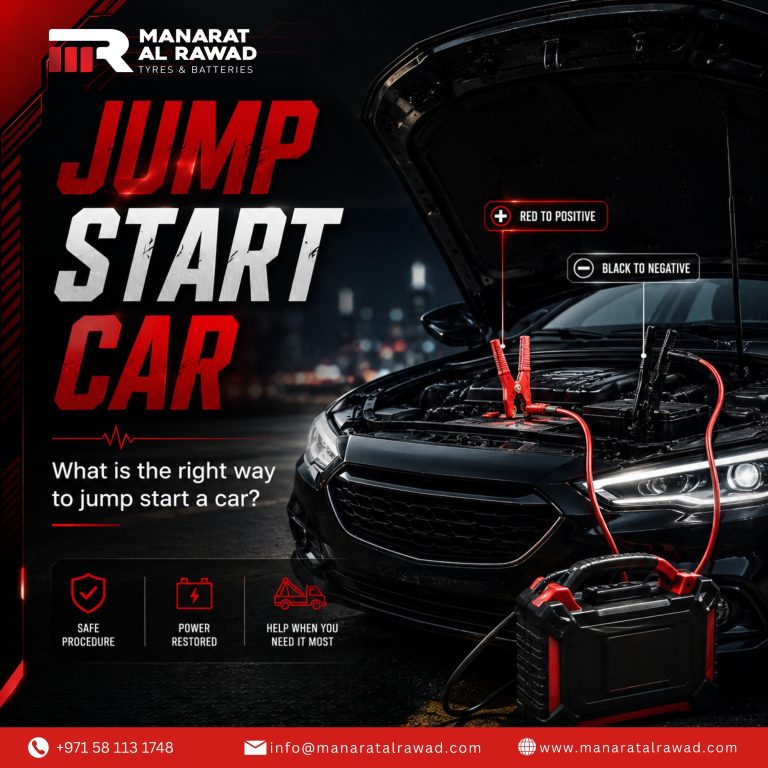
A dead battery is one of the most common reasons a vehicle refuses to start. Whether you’re leaving work, heading to an important meeting, or preparing for a family trip, a flat battery can quickly turn into an unexpected inconvenience. Knowing how to jump start car safely is an essential skill for every driver.
However, jump starting a vehicle isn’t just about connecting cables and relying on luck. Incorrect procedures can damage your vehicle’s electrical system, shorten battery life, or even create safety hazards. Modern cars are equipped with advanced electronics that call for careful handling during a battery jump start.
This thorough guide explains everything you need to know about starting a jump car, including why batteries fail, how to perform a safe jump start, common mistakes to avoid, and when professional roadside assistance is the better option.
What Does It Mean to Jump Start a Car?
Starting a car means supplying temporary electrical power to a discharged battery so the engine can start. This temporary power usually comes from:
- Another vehicle using jumper cables
- A portable auto battery jump starter
Once the engine starts, the alternator begins charging the battery while the vehicle is running.
It’s important to understand that a jump-start only provides temporary power. It does not repair a damaged or worn-out battery.
Why Do Car Batteries Go Dead?
Many drivers assume that a dead battery always means it needs replacement. In reality, several issues can cause battery discharge.
1. Battery Age
Most car batteries last between two and four years. As they age, their ability to hold a charge decreases.
2. Extreme Heat
- Hot climates accelerate internal chemical reactions that shorten battery life.
- In places like the UAE, high temperatures are one of the leading causes of battery failure.
3. Leaving Lights On
Headlights, interior lights, or accessories left on overnight can completely discharge the battery.
4. Alternator Problems
If the alternator isn’t charging properly, even a healthy battery will eventually lose power.
5. Electrical Drain
Dash cameras, GPS devices, alarms, and aftermarket accessories may slowly drain the battery when the vehicle is parked.
6. Long Periods Without Driving
Vehicles that remain unused for several weeks naturally lose battery charge.
Signs Your Car Needs a Jump Start
Noticing early symptoms helps prevent unforeseen breakdowns.
Common warning signs include:
- Slow engine cranking
- Clicking sound when turning the key
- Dashboard battery warning light
- Dim headlights
- Weak interior lighting
- Power windows operating slowly.
- Complete loss of electrical power
These signs often indicate that a battery jump-start or inspection is needed.
What You Need Before You Jump Start a Car
Before attempting to jump start a car, gather the proper equipment.
You’ll need:
- A set of quality jumper cables, or
- A portable auto battery jump starter
- Safety gloves
- Safety glasses
- Your vehicle owner’s manual
Reading the manufacturer’s recommendations is especially important for hybrid, electric, and luxury vehicles.
How to Jump Start a Car Safely
Adhere to these steps carefully to avoid damaging your vehicle.
Step 1: Park Safely
If using another vehicle, position it close enough so the jumper cables can reach without the vehicles touching.
Turn off both engines.
Step 2: Turn Off Electrical Accessories
Switch off:
- Air conditioning
- Headlights
- Radio
- Charging devices
- Interior lights
Reducing electrical load makes starting easier.
Step 3: Connect the Positive Cable
- Attach the red cable to the positive (+) terminal of the dead battery.
- Connect the other end to the positive terminal of the donor battery or portable jump starter.
Step 4: Connect the Negative Cable
Attach the black cable to the donor battery’s negative terminal. Connect the remaining end to a metal grounding point on the disabled vehicle, following your vehicle manufacturer’s recommendations. Avoid placing the final connection directly on the negative battery terminal unless the manufacturer specifies otherwise.
Step 5: Start the Engine
Start the donor vehicle if you’re using jumper cables. Wait a few minutes. Now attempt to jump-start the disabled vehicle. If the engine doesn’t start after several attempts, further diagnosis may be required.
Step 6: Disconnect Carefully
- Once the vehicle starts:
- Remove the cables in the reverse order.
- Allow the engine to idle for at least 20–30 minutes so the alternator can recharge the battery.
Using a Portable Auto Battery Jump Starter
Portable jump starters have become increasingly popular because they eliminate the need for another vehicle.
Benefits include:
- Compact size
- Easy storage
- Emergency readiness
- Safe operation
- Built-in reverse polarity protection
- USB charging ports
- LED emergency lights
A quality auto battery jump starter is one of the most useful emergency tools every driver should carry.
Common Jump Start Mistakes
Many battery problems occur because of incorrect jump-start procedures.
Avoid these common mistakes:
Connecting the Wrong Terminals – Incorrect polarity can damage the battery and electrical system.
Using Damaged Jumper Cables – Broken insulation or poor-quality cables increase safety risks.
Ignoring Battery Damage – Never attempt a car battery jump start if the battery is leaking, cracked, or swollen. Replace it immediately.
Repeated Jump Starts – Frequent jump-starts usually indicate battery failure rather than temporary discharge.
Disconnecting Too Soon – Allow the engine enough time to recharge the battery before turning it off.
Can Jump Starting Damage Your Car?
When performed correctly, jump-starting is generally safe.
Problems usually result from:
- Reverse polarity
- Incorrect voltage
- Cheap equipment
- Faulty batteries
- Ignoring manufacturer instructions
Modern portable jump starters include multiple safety features that reduce these risks.
When a Jump Start Isn’t Enough
Sometimes a car battery jump-start gets the engine running, but the battery still needs to be replaced.
Professional battery testing is recommended if you notice:
- Battery older than three years
- Frequent jump starts
- Slow cranking after charging.
- Battery warning light remains on.
- Swollen battery case
- Corrosion around terminals
- Electrical system issues
A healthy battery should restart the vehicle without repeated assistance.
How to Prevent Battery Failure
Routine maintenance decreases the chance of needing a jump start.
Experts recommend:
- Inspect battery terminals every few months.
- Clean corrosion promptly.
- Replace batteries before they fail.
- Drive regularly.
- Turn off lights before leaving the vehicle.
- Test battery status every six months.
- Have the charging system inspected annually.
Preventive maintenance is always less expensive than emergency roadside assistance.
Portable Jump Starter vs. Professional Roadside Assistance
Both choices have advantages.
Portable Jump Starter
Ideal for:
- Daily commuters
- Long-distance drivers
- Solo travelers
- Emergency preparedness
Professional Battery Service
Best for:
- Battery replacement
- Alternator diagnosis
- Electrical system problems
- Multiple battery failures
- Drivers unfamiliar with jump-start procedures
Professional technicians can identify whether the battery, alternator, or starter motor is causing the problem.
Common Myths About Jump Starting
Myth 1: Jump Starting Repairs the Battery
False. It only provides temporary starting power.
Myth 2: Every Dead Battery Needs Replacement
False. Some batteries only require charging. Professional testing determines the correct solution.
Myth 3: Bigger Jump Starters Are Always Better
Not necessarily. Choose equipment that fits your vehicle’s engine size and battery specifications.
Myth 4: Jump Starting Is Dangerous
It is safe when proper procedures, quality equipment, and manufacturer recommendations are followed.
Why Professional Battery Testing Matters
Even after a successful battery jump start, hidden issues may remain.
Professional technicians can test:
- Battery condition
- Charging voltage
- Alternator output
- Starter motor performance
- Electrical system integrity
This complete diagnosis helps prevent upcoming breakdowns and unnecessary battery replacements.
Knowing how to jump-start a a car safely is a valuable skill every driver should have. Whether you use jumper cables or an auto battery jump starter, following the correct procedure protects your vehicle and gets you back on the road quickly.
However, repeated jump starts should never be ignored. They often indicate an aging battery, charging system fault, or another electrical issue that requires professional attention. Routine maintenance, regular battery testing, and appropriate replacement are the best ways to avoid unforeseen breakdowns and guarantee dependable operation.
If your vehicle frequently needs a jump-start, it’s time to schedule a professional battery inspection. An active approach not just extends battery life but also gives you confidence every time you turn the key.