
BLOG
Car Battery JumpStart: Complete Emergency Guide
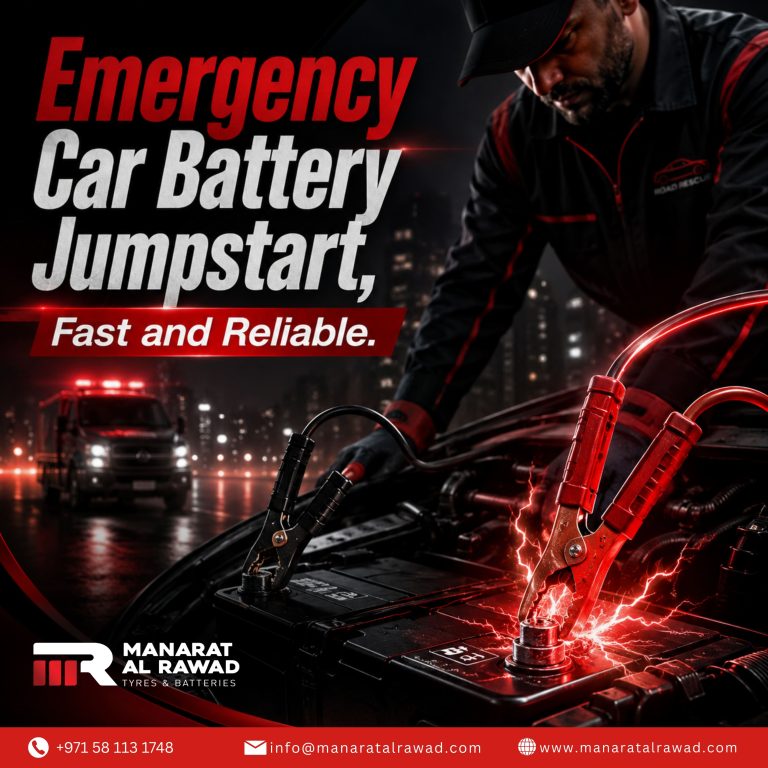
Few vehicle problems are as frustrating as turning the key or pressing the start button only to discover that your car won’t start. A dead battery can happen unexpectedly, leaving you stranded at home, at work, in a shopping center, or on the roadside. In many situations, a car battery jumpstart is the quickest way to restore power and get your vehicle moving again.
A jumpstart provides temporary electrical power from an external source, allowing your engine to start while the alternator begins recharging the battery. However, it is important to understand that a jumpstart is not always a permanent solution. If the battery is old or damaged, replacement may be necessary.
In this guide, you’ll learn how a car battery jump start works, how to perform one safely, the equipment required, common mistakes to avoid, and when to seek professional assistance.
What Is a Car Battery JumpStart?
A car battery jumpstart is the process of supplying temporary electrical power to a vehicle with a discharged battery.
The external power source may come from:
- Another vehicle using jumper cables
- A portable jump starter
- Professional roadside assistance equipment
Once the engine starts, the alternator supplies electricity to recharge the battery. If the battery cannot hold a charge, further inspection or replacement may be required.
Common Reasons a Car Battery Goes Flat And Need Replacement
Battery failure can occur for many reasons which leads to car battery replacement.
Some of the most common include:
- Leaving headlights switched on
- Interior lights remaining on overnight.
- An aging battery
- Extreme UAE temperatures
- Faulty alternator
- Loose battery terminals
- Corrosion
- Long periods without driving
- Electrical accessories draining the battery
Understanding the cause helps determine whether a jumpstart is sufficient or whether professional repairs are needed.
How Do You Perform a Car Battery JumpStart?
Adhere to these steps carefully.
Step 1: Position the Vehicles
- Park the assisting vehicle close enough for the jumper cables to reach, making sure the vehicles do not touch.
- Switch off both engines and engage the parking brakes.
Step 2: Identify the Battery Terminals
Locate:
- Positive terminal (+)
- Negative terminal (−)
The positive terminal usually has a red cover.
Step 3: Connect the Jumper Cables
Follow this sequence:
- Red cable to the positive terminal of the dead battery.
- Red cable to the positive terminal of the assisting battery.
- Black cable to the negative terminal of the assisting battery.
- Black cable to a clean metal grounding point on the disabled vehicle.
Correct cable placement is vital for safety.
Step 4: Start the Vehicles
- Start the assisting vehicle first.
- Allow it to run for several minutes before attempting to start the disabled vehicle.
Step 5: Remove the Cables
- Disconnect the cables in reverse order after the engine starts.
- Avoid allowing the clamps to touch each other during removal.
Car Battery JumpStart Connection Order
| Step | Connection |
| 1 | Red → Dead battery (+) |
| 2 | Red → Good battery (+) |
| 3 | Black → Good battery (−) |
| 4 | Black → Vehicle ground |
| 5 | Start assisting vehicle |
| 6 | Start disabled vehicle |
| 7 | Remove cables in reverse order |
Is a Car Battery JumpStart Safe?
Yes, provided the correct procedure is followed. Before attempting a jumpstart, inspect the battery. Never jump-start a battery that is:
- Cracked
- Swollen
- Leaking acid
- Smoking
- Severely corroded
Damaged batteries should be replaced rather than jump-started.
Portable Jump Starter vs Jumper Cables
There are two common ways to perform a car battery jumpstart.
| Feature | Portable Jump Starter | Jumper Cables |
| Requires another vehicle | No | Yes |
| Easy for solo drivers | Yes | No |
| Portable | Yes | Yes |
| Safety features | Excellent | Basic |
| Emergency convenience | Excellent | Good |
Portable jump starters have become increasingly popular because they allow drivers to restart their vehicles without needing assistance from another motorist.
Signs Your Battery Might Require Replacement
A jumpstart is often only a temporary solution.
Watch for these warning signs:
- Slow engine cranking
- Dashboard battery warning light
- Dim headlights
- Frequent jumpstarts
- Battery older than three years
- Corroded battery terminals
- Swollen battery case
If these symptoms continue, professional battery testing is recommended.
Common Car Battery JumpStart Mistakes to Avoid
A car battery jumpstart is a straightforward procedure, but even small mistakes can damage your battery or your vehicle’s electrical system. Following the correct steps helps guarantee both safety and reliability.
Connecting the Cables Incorrectly
The most common mistake is reversing the battery terminals.
Always remember:
- Red cable → Positive (+)
- Black cable → Negative (−) or the recommended grounding point
Incorrect connections may damage the battery, alternator, fuses, or electronic control modules.
Using Damaged Jumper Cables
Old or poor-quality jumper cables may have damaged insulation, weak clamps, or broken wiring.
Before every use, inspect the cables for:
- Frayed insulation
- Loose clamps
- Rust or corrosion
- Broken connectors
Using premium cables ensures better current flow and improved safety.
Attempting to JumpStart a Damaged Battery
Never attempt a car battery jumpstart if the battery is:
- Cracked
- Swollen
- Leaking electrolyte
- Smoking
- Producing a strong sulfur odor
These signs show serious internal damage that requires professional replacement.
Ignoring the Root Cause
A jumpstart gets your vehicle running—but it doesn’t repair the underlying issue.
Repeated battery failures may indicate:
- A depleted battery
- Faulty alternator
- Charging system problems
- Loose battery connections
- Electrical drain from accessories
Professional diagnostics can quickly identify the real cause.
Why Does My Car Need Frequent Jump Starts?
If your vehicle regularly requires a jump-start, the battery is likely not the only issue.
Common causes include:
Battery Age
In the UAE’s hot climate, most automotive batteries last approximately 2 to 3 years.
Faulty Alternator
The alternator charges the battery while the engine is running. If it fails, the battery gradually loses power.
Parasitic Battery Drain
Electrical components may continue drawing power after the engine is switched off.
Examples include:
- Dash cameras
- Interior lights
- Alarm systems
- Faulty relays
- Aftermarket accessories
A technician can diagnose these hidden power drains using professional testing equipment.
How UAE Weather Affects Battery Life
High temperatures significantly reduce automotive battery life.
Extreme heat accelerates:
- Water evaporation
- Internal corrosion
- Plate deterioration
- Reduced battery capacity
Drivers across Dubai, Abu Dhabi, Sharjah, Ajman, and the UAE should have their batteries inspected regularly, especially before summer. Preventive battery testing helps identify weak batteries before they fail unexpectedly.
Battery Maintenance Tips
Simple maintenance can reduce the likelihood of needing an emergency car battery jumpstart.
- Test Your Battery Regularly – Battery testing every six months helps identify declining performance before complete failure.
- Clean Battery Terminals – Corrosion restricts electrical flow and makes starting the engine more difficult.
- Drive Regularly – Vehicles left parked for long periods may experience battery discharge.
- Turn Off Electrical Accessories – Before leaving your vehicle, ensure that headlights, interior lights, chargers, and other accessories are switched off.
- Replace Old Batteries – Replacing an aging battery before complete failure is often more economical than dealing with an emergency roadside breakdown.
When Should You Call a Professional?
While many drivers successfully perform a jumpstart themselves, some situations require professional assistance.
Call an expert if:
- The engine still won’t start after several attempts.
- The battery warning light remains on.
- The battery is physically damaged.
- You suspect alternator failure.
- You don’t have the proper equipment.
- You’re unsure about the jump-start procedure.
Professional roadside technicians can determine whether your battery requires charging, replacement, or further electrical repairs.
Frequently Asked Questions
How long does a car battery jumpstart take?
Most professional jump-start services take 10–20 minutes, depending on the battery condition and vehicle.
Does a jumpstart fully recharge the battery?
No. A jumpstart only provides enough power to start the engine. The alternator begins recharging the battery while the engine is running.
Can I jumpstart my car without another vehicle?
Yes. A portable jump starter allows you to perform a car battery jumpstart without assistance from another vehicle.
How many times can a battery be jump-started?
There is no fixed limit, but frequent jumpstarts indicate that the battery or charging system should be inspected. Repeated jump-starting is not a long-term solution.
Is it safe to jumpstart modern vehicles?
Yes, as long as the correct procedure is followed. Modern vehicles contain sensitive electronics, so using the proper connection order is essential.
Why Choose Manarat Al Rawad?
At Manarat Al Rawad, we understand how disruptive a dead battery can be. Experienced technicians provide fast, reliable roadside battery services throughout Dubai and the UAE.
Our services include:
- 24/7 car battery jumpstart assistance
- Mobile battery replacement
- Battery diagnostics
- Alternator and charging system inspection
- Genuine replacement batteries
- Professional installation
- Emergency roadside assistance
Our goal is to restore your vehicle safely while detecting the root cause of the battery failure to help prevent subsequent breakdowns. A car battery jumpstart is one of the quickest ways to restore power to a vehicle with a discharged battery, rendering it an essential skill for every driver. Whether you use jumper cables or a portable jump starter, following the correct procedure helps protect your vehicle and secures a safe restart.
However, a jumpstart should be viewed as a temporary solution rather than a permanent fix. If your battery repeatedly loses charge or your vehicle struggles to start, professional testing is recommended to identify issues with the battery, alternator, or charging system. Routine battery maintenance, periodic inspections, and on-time replacement can substantially lower the risk of vehicle breakdowns—especially in the UAE’s demanding climate.
At Manarat Al Rawad, we are committed to helping drivers stay on the road with expert car battery jump-start services, professional battery diagnostics, mobile battery replacement, and dependable roadside assistance whenever and wherever needed.