
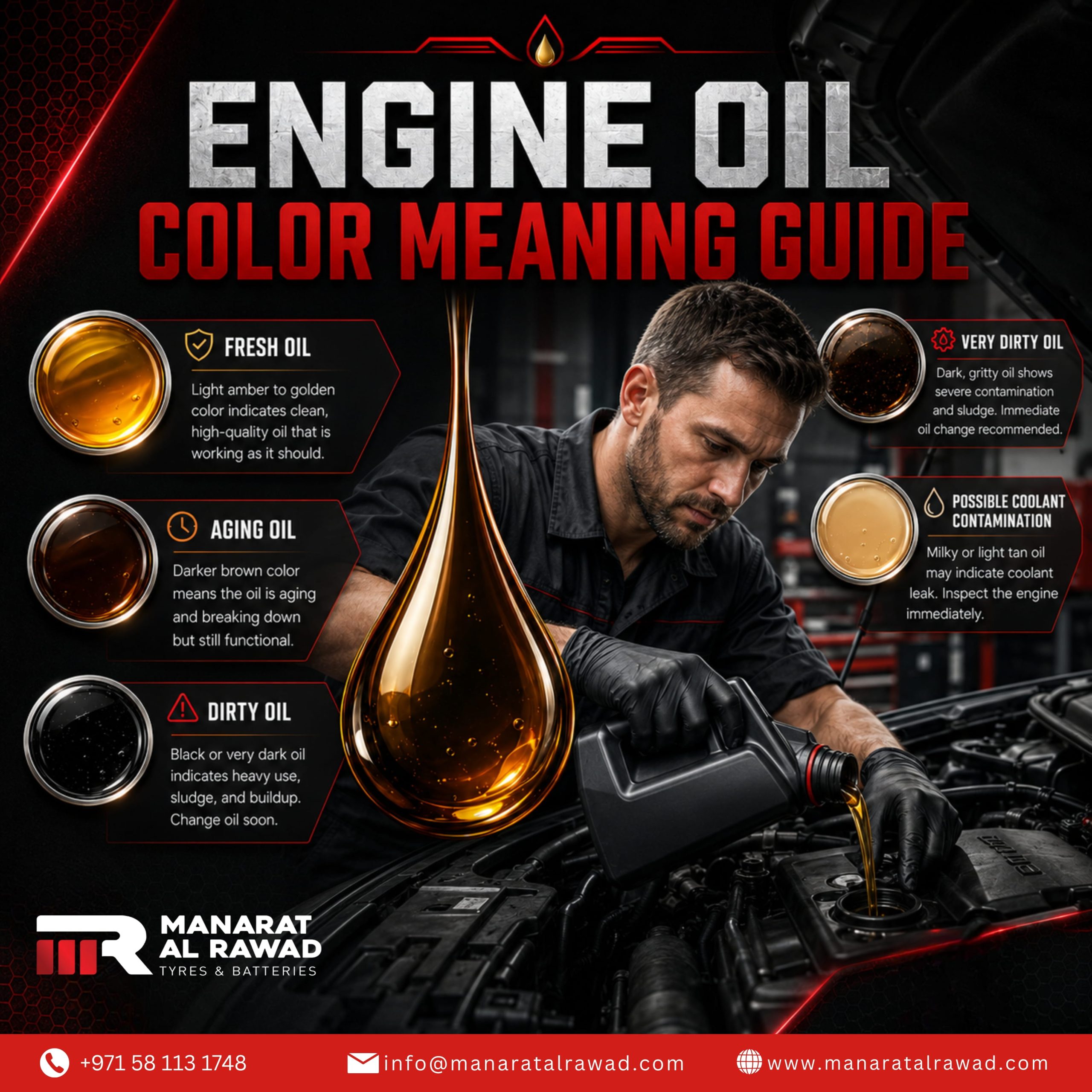
Your vehicle’s engine relies on clean, high-quality oil to lubricate moving parts, reduce friction, regulate temperature, and protect critical engine components from wear. While most drivers know they should change their engine oil regularly, fewer understand that the car engine oil color can reveal valuable information about the health of both the oil and the engine itself.
Engine oil naturally changes color over time, but not every color change indicates a problem. Fresh oil typically appears light amber, while darker shades often develop as the oil collects contaminants and performs its cleaning function. However, certain colors—such as milky, black, or metallic-looking oil—can denote underlying mechanical issues that require immediate attention.
Learning how to interpret engine oil color can help you identify possible issues early, extend your engine’s lifespan, improve fuel efficiency, and avoid expensive repairs.
Why Is Engine Oil So Important?
Engine oil performs multiple crucial functions inside your engine.
It helps:
- Lubricate moving engine components
- Reduce friction between metal surfaces
- Prevent excessive engine wear
- Dissipate heat generated during operation
- Keep internal engine parts clean
- Protect against rust and corrosion
- Improve overall engine effectiveness.
Without clean engine oil, excessive friction can quickly damage expensive engine components.
What Should Engine Oil Color Look Like?
One of the most common questions drivers ask is:
“What color should engine oil be?”
The answer depends on the oil’s age and how long it has been used.
Generally:
Light Amber or Golden
Fresh engine oil usually appears clear with a golden or amber color.
This indicates:
- New oil
- Appropriate lubrication
- Low contamination
- Healthy engine operation
If you’ve recently changed your oil, this is exactly what you want to see.
Dark Brown
As engine oil circulates, it collects dirt, combustion by-products, and microscopic particles.
A dark brown color usually indicates the oil is performing normally.
This color does not necessarily mean the oil needs immediate replacement.
Instead, check:
- Mileage since the last oil change
- Manufacturer’s maintenance schedule
- Oil level
- Engine performance
Black Engine Oil
Many drivers worry when they notice black oil.
In diesel engines, black oil develops quickly because the oil captures soot generated during combustion.
For petrol vehicles, black oil may indicate:
- Extended oil usage
- Heavy contamination
- Delayed maintenance
- High engine temperatures
Black oil alone isn’t always a sign of engine damage, but if accompanied by poor engine performance or strange noises, a professional inspection is recommended.
Why Does Engine Oil Turn Black?
Engine oil naturally darkens over time because it absorbs contaminants while protecting your engine.
تشمل الأسباب الشائعة ما يلي:
- Carbon deposits
- Dirt accumulation
- Heat exposure
- Combustion residue
- Oxidation
- Normal engine wear
In many cases, dark oil actually shows that the detergent additives are doing their job by suspending contaminants rather than allowing them to build up inside the engine.
Milky or Cream-Colored Engine Oil
Milky engine oil is one color you should never ignore.
A creamy, coffee-colored appearance often indicates coolant has mixed with the engine oil.
تشمل الأسباب المحتملة:
- Blown head gasket
- Cracked cylinder head
- Damaged engine block
- Coolant contamination
Driving with contaminated oil can lead to severe engine damage.
If you notice milky oil, stop driving and have the vehicle inspected immediately.
What Does Grey Engine Oil Mean?
Grey engine oil is less common but may indicate:
- Water contamination
- Oxidized oil
- Internal engine wear
- Incorrect oil type
Professional diagnosis is recommended to identify the exact cause.
Metallic or Glittery Engine Oil
One of the most serious warning signs is metallic-looking engine oil.
Tiny shiny particles often indicate internal engine wear.
تشمل الأسباب المحتملة:
- Worn bearings
- Damaged piston rings
- Camshaft wear
- Gear wear
- Internal engine failure
If metallic particles appear during an oil inspection, the vehicle should be checked by an experienced technician as soon as possible.
Can Engine Oil Color Tell Me When to Change Oil?
Not entirely.
Although engine oil color provides useful clues, it should never be the only factor used to determine oil replacement intervals.
Drivers should also consider:
- توصيات الشركة المصنعة
- Mileage
- Driving conditions
- Oil viscosity
- Vehicle age
- Engine performance
Modern synthetic oils often become darker while still providing excellent protection.
For this reason, professional inspections remain the most reliable method of determining oil condition.
How UAE Weather Affects Engine Oil
The UAE’s climate presents particular challenges for vehicle owners.
High temperatures speed up oil oxidation and increase thermal stress.
Daily driving in cities such as Dubai, Sharjah, Abu Dhabi, and Ajman often includes:
- حركة مرور كثيفة
- فترات طويلة من التوقف عن العمل
- Continuous air-conditioning use
- High engine temperatures
These conditions may require more frequent oil inspections than vehicles operating in cooler climates.
Using the manufacturer-recommended oil grade and following regular maintenance schedules helps ensure best engine protection.
When Should You Change Your Engine Oil?
One of the biggest misconceptions among drivers is that engine oil should only be changed when it turns black. In reality, engine oil color is only one indicator of oil condition. Modern engine oils are designed to trap dirt, soot, and microscopic particles, which naturally causes them to darken over time.
Instead of depending solely on color, consider the following factors:
- Manufacturer’s recommended oil change interval
- Vehicle mileage
- عادات القيادة
- Type of engine oil (synthetic, semi-synthetic, or conventional)
- الظروف المناخية
- Engine performance
For vehicles driven in the UAE, particularly in heavy traffic and high temperatures, periodic oil inspections are just as important as scheduled oil changes.
How Often Should Engine Oil Be Changed?
The ideal oil change interval depends on your vehicle and the type of oil being used.
As a general guideline:
- Conventional oil: Every 5,000–7,000 km
- Semi-synthetic oil: Every 7,000–10,000 km
- Full synthetic oil: Every 10,000–15,000 km
However, if you frequently drive in:
- حركة مرور كثيفة
- حرارة شديدة
- Dusty environments
- Stop-and-go city roads
- Long idling conditions
you may need more frequent oil inspections and earlier replacements.
Always refer to your vehicle manufacturer’s maintenance schedule for the most accurate recommendation.
Common Myths About Engine Oil Color
Many drivers make maintenance decisions based on myths rather than facts. Let’s clear up a few common misconceptions.
Myth 1: Black Oil Always Means It Needs Changing
Not necessarily. Engine oil naturally darkens as it cleans your engine. Color alone does not determine whether the oil has reached the end of its service life.
Myth 2: Clean Oil Means the Engine Is Healthy
Fresh-looking oil does not always indicate a healthy engine. Internal mechanical issues, coolant leaks, or incorrect oil viscosity may still exist even if the oil appears clean.
Myth 3: Dark Oil Damages the Engine
Dark oil isn’t harmful by itself. In many cases, it simply means the oil’s detergents are effectively suspending contaminants rather than allowing them to accumulate in the engine.
Can I Check Engine Oil Color Myself?
Yes. Checking your engine oil is a simple maintenance task that every driver should learn.
Follow these steps:
- Park the vehicle on a level surface.
- Turn off the engine and allow it to cool for a few minutes.
- Remove the dipstick.
- Wipe it clean with a lint-free cloth.
- Insert the dipstick fully and remove it again.
- Observe both the oil level and the engine oil color.
If the oil appears milky, contains metallic particles, or has a burnt smell, arrange a professional inspection immediately.
Choosing the Right Engine Oil
Selecting the correct engine oil is just as important as monitoring its condition.
Before purchasing engine oil, consider:
- Vehicle manufacturer recommendations
- Oil viscosity (such as 5W-30 or 10W-40)
- API and ACEA certifications
- الظروف المناخية
- عادات القيادة
- Engine age
Using the wrong oil grade may reduce lubrication efficiency, increase engine wear, and negatively affect fuel economy.
If you’re unsure which oil is suitable for your vehicle, consult a qualified automotive technician.
Tips to Keep Your Engine Oil in Good Condition
Proper maintenance can help extend both engine life and oil performance.
Check Oil Levels Monthly
Low oil levels may cause inadequate lubrication and increased engine wear.
Replace the Oil Filter
Always change the oil filter when replacing engine oil to ensure clean oil circulates throughout the engine.
Fix Leaks Immediately
Oil leaks reduce lubrication and may cause serious engine damage if left unattended.
Avoid Aggressive Driving
Rapid acceleration and high engine speeds increase engine temperature and place additional stress on the oil.
Follow Routine Maintenance
Regular servicing allows technicians to identify problems before they become expensive repairs.
Does Engine Oil Affect Fuel Economy?
Yes.
Fresh, high-quality engine oil reduces internal engine friction, allowing components to move more efficiently.
Correct lubrication can:
- Improve engine performance
- Reduce wear
- Increase fuel efficiency
- Maintain smoother engine operation.
Using degraded or incorrect oil may increase internal engine resistance, causing it to work harder and consume more fuel.
Why Regular Engine Inspections Matter
Checking the engine oil color is only one part of responsible vehicle maintenance.
Professional vehicle inspections can also identify:
- Oil leaks
- Coolant contamination
- Charging system issues
- حالة البطارية
- Air filter condition
- Brake fluid quality
- Belt wear
- Engine cooling performance
Scheduled inspections improve automobile reliability and decrease the chance of unforeseen breakdowns.
الأسئلة الشائعة
What is the normal engine oil color?
Fresh engine oil is usually amber or light golden. As it performs its cleaning function, it gradually darkens.
Is black engine oil always bad?
No. Dark oil is often normal, especially in diesel engines. The oil should be evaluated based on mileage, service intervals, and overall condition rather than color alone.
Why is my engine oil milky?
Milky oil often indicates coolant contamination, which may result from a blown head gasket or another internal engine problem. Immediate professional inspection is recommended.
Can I drive with dark engine oil?
If the oil is within the recommended service interval and the engine is operating normally, darker oil is often acceptable. However, burnt-smelling, contaminated, or overdue oil should be replaced.
How often should I inspect my engine oil?
Experts recommend checking engine oil at least once a month and before long journeys.
Why Trust Manarat Al Rawad?
في Manarat Al Rawad, we understand that reliable vehicle performance starts with proper maintenance. In addition to 24/7 roadside assistance, mobile battery replacement, jump-start services, and emergency vehicle support across the UAE, we encourage drivers to perform periodic inspections of essential components, including engine oil, batteries, tires, and liquid levels.
Our experienced technicians are committed to helping drivers take informed maintenance decisions through professional advice, quality service, and dependable automotive solutions.
Understanding engine oil color is one of the easiest yet most valuable ways to monitor your vehicle’s health. While changes in oil color are often a normal part of engine operation, unusual colors such as milky, grey, or metallic oil can suggest serious mechanical issues that require immediate attention.
Regular oil inspections, prompt oil changes, and following your vehicle manufacturer’s maintenance schedule will help extend engine life, improve fuel efficiency, and reduce the risk of expensive repairs.
Whether you’re driving in Dubai, Abu Dhabi, Sharjah, Ajman, or anywhere else in the UAE, adopting proactive maintenance habits can keep your vehicle performing safely and effectively for years to come. By combining regular engine oil checks with professional inspections, you can enjoy greater reliability, lower operating costs, and calm assurance every time you get behind the wheel.